Basement waterproofing is essential to prevent unwanted water ingress, maintain the structural integrity of a building, and ensure the longevity of your property. When water breaches the defences of a building, it can lead to costly damage. Thankfully, there are several solutions available for homeowners and contractors. Let’s delve deeper into the most effective waterproofing techniques.
Package Pump Systems: Understanding Sump Pumps
Sump Pumps:
These are critical components in basement waterproofing. A sump pump is a device that removes accumulated water collected in a sump basin, typically found in the basement of homes. It ensures that groundwater levels remain below the basement floor, preventing water from rising and causing damage.
Groundwater vs. Foul Water Systems:
Groundwater systems deal with naturally occurring water from the surroundings, like rainwater that seeps into the ground. On the other hand, foul water systems handle wastewater from domestic or commercial sources, like toilets and kitchens. It’s essential to differentiate between these two because each requires unique waterproofing techniques and equipment.

Plastic Membranes: The Lining Shield
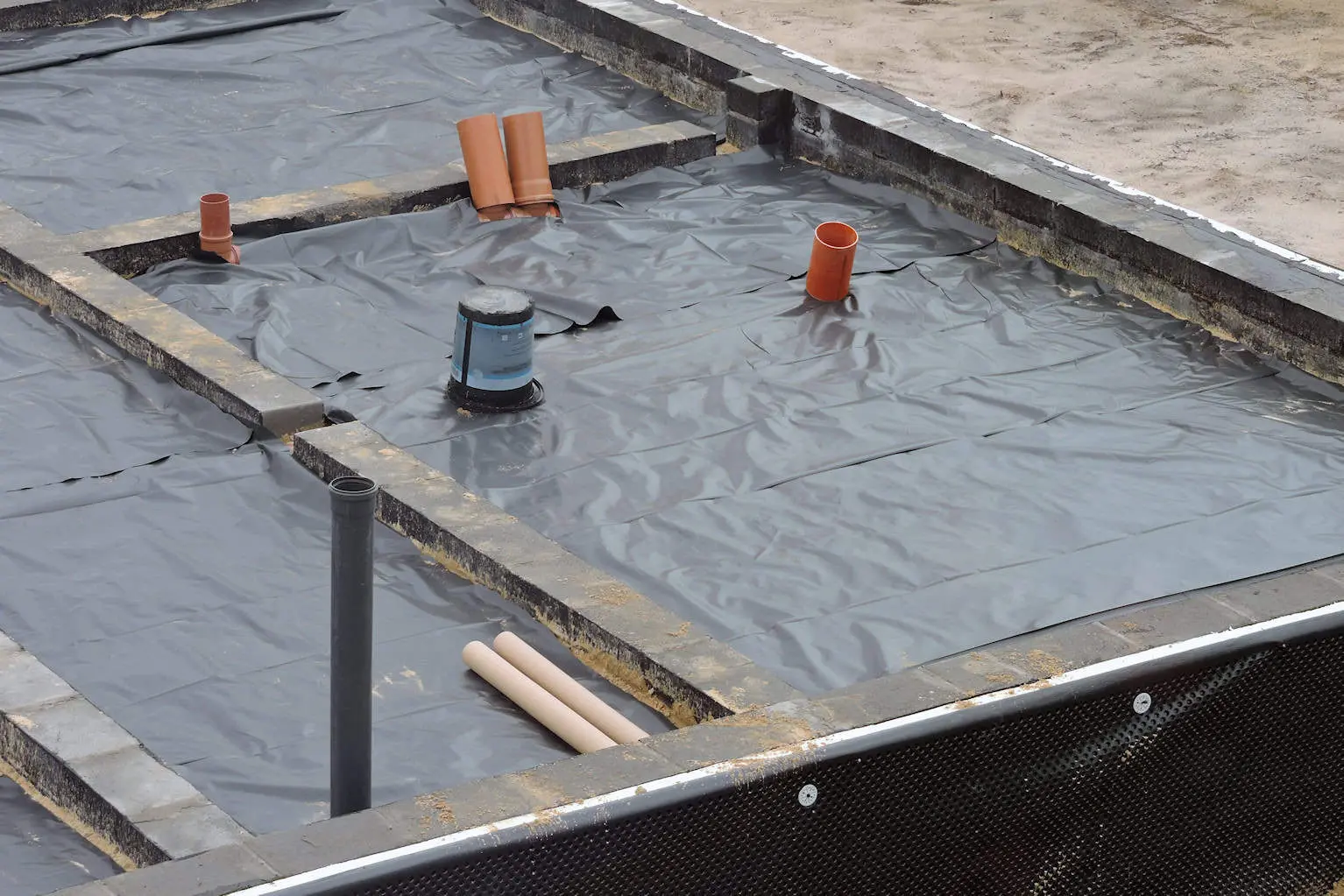
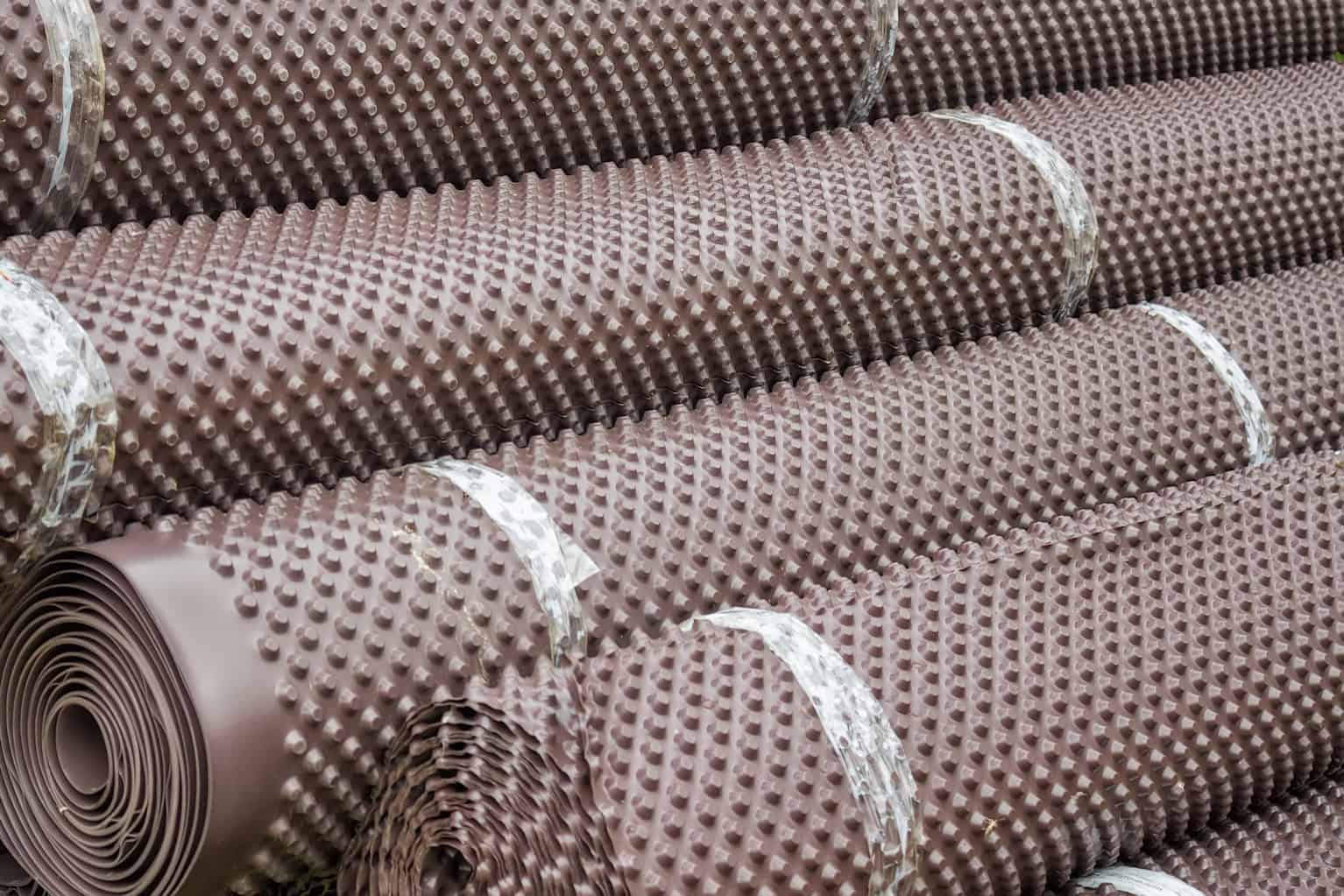
Plastic membranes are thin layers of waterproof material placed on the surface of the basement walls and floor. These sheets serve as a barrier, preventing moisture from permeating into the basement. Made from high-density polyethylene or polypropylene, they are durable, resistant to rot and mould, and can be easily integrated with other waterproofing systems.
Cementitious Tanking: Versatile Waterproofing Solutions
Cementitious tanking involves applying a thick coat of a cement-based mixture to walls, floors, and ceilings. This creates a seamless, impermeable layer that prevents water ingress.
Different Products Available: There’s a range of products in the market, each formulated for specific needs:
- Slurry type coatings: Best for surfaces that might remain damp.
- Acrylic modified systems: For more flexibility.
- Polymer cement coatings: Known for superior adhesion and reduced permeability.
It’s crucial to choose a product based on the specific requirements of the project, taking into account factors like the source of moisture and the condition of the substrate.
Drainage Channels: Diverting Water Away
A drainage channel, placed around the perimeter of the foundation or beneath the basement floor, captures any water that might find its way in. This water is then directed to the sump pump, which expels it away from the structure. It’s an efficient way to handle water that might bypass other defences.
Accessories: The Essentials
Tapes: Waterproofing tapes, usually self-adhesive, help seal joints or overlaps in membranes and provide an additional layer of security against water ingress.
Plugs: Used to secure membranes to walls and floors, plugs ensure the waterproofing system remains intact and resistant to pressure from both water and the structure.
PPS: Your One-Stop Waterproofing Shop
When it comes to comprehensive waterproofing solutions, Packed Pump Systems (PPS) stands out. Not only can they supply all the mentioned products, but they also provide next-day delivery. This efficiency ensures that your waterproofing project remains on track, avoiding delays.
Moreover, with a team of expert advisors at PPS, you’re never alone in determining the best product or system for your project. They provide insights, recommendations, and guidance tailored to your unique needs, ensuring that your basement remains dry and safe for years to come. Basement waterproofing is a multifaceted task that demands a mix of the right products, expertise, and experience. By understanding the various systems and their components, and with the support of experts like those at PPS, you can ensure that your property remains protected against the persistent threat of water damage.